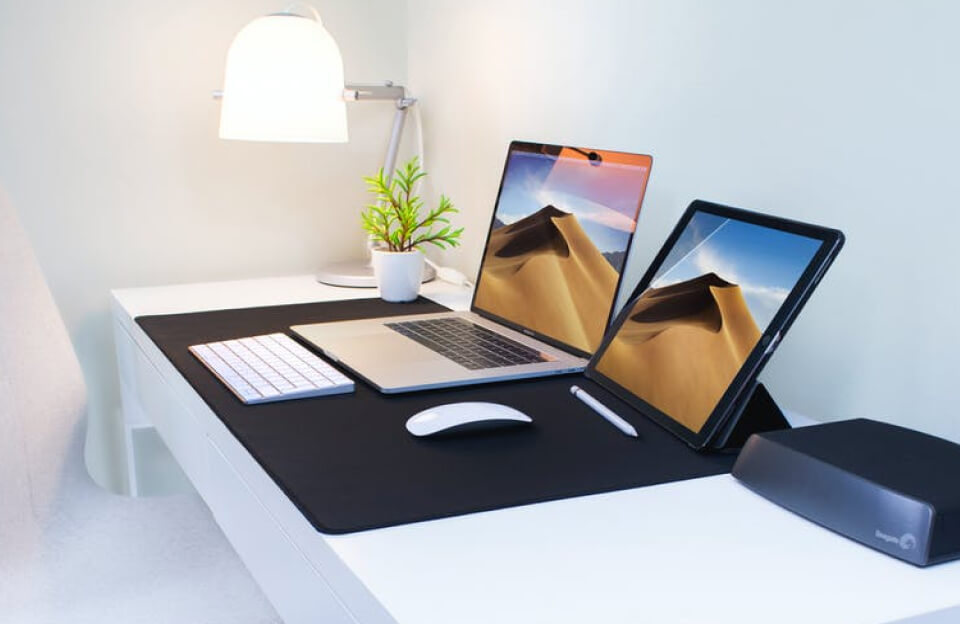
If you’ve ever wished your computer could do everything—run macOS for its smooth experience and Windows 10 for compatibility—you’re not alone. The good news? You absolutely can run both on the same machine.
Whether you’re a developer, gamer, student, or just someone who likes flexibility, this guide will walk you through how to run macOS and Windows 10 on one computer in a simple, human way—without overwhelming you.
Why Run macOS and Windows 10 Together?
Running both operating systems on one device gives you flexibility that a single OS just can’t match.
Here’s why people do it:
- Use macOS for design, editing, or daily use
- Use Windows 10 for software compatibility and gaming
- Test apps across platforms (great for developers)
- Avoid buying two separate computers
It’s basically turning your computer into a multitasking powerhouse.
Methods to Run macOS and Windows 10 on the Same Computer
There are three main ways to make this work. Each has its own pros, cons, and ideal use case.
1. Dual Boot (Best for Performance)
Dual booting means installing both macOS and Windows 10 on separate partitions of your hard drive. When you start your computer, you choose which OS to use.
👉 Helpful setup guide:
https://www.howtogeek.com/187410/how-to-install-and-dual-boot-linux-on-a-mac/
Why people love it:
- Full performance for both systems
- Ideal for gaming and heavy software
- Clean separation between OS environments
Downside:
- You must restart to switch systems
2. Virtual Machine (Best for Convenience)
A virtual machine lets you run Windows inside macOS (or vice versa) as if it were just another app.
👉 Popular tools:
Why people love it:
- No reboot needed
- Run both OS at the same time
- Great for testing and light work
Downside:
- Slower performance
- Not ideal for gaming or heavy tasks
3. Hackintosh (Advanced Users Only)
A Hackintosh is when you install macOS on non-Apple hardware, then add Windows alongside it.
👉 Beginner Hackintosh guide:
https://dortania.github.io/OpenCore-Install-Guide/
Why people love it:
- Full customization
- Can be cheaper than buying a Mac
- Powerful dual-boot setup
Downside:
- Complex setup
- Not officially supported
- Updates can break your system
System Requirements You Should Know
Before starting, make sure your system is ready:
- At least 8GB RAM (16GB recommended)
- SSD storage (for faster performance)
- 100GB+ free space
- Compatible hardware (especially for macOS installs)
Tips for a Smooth Setup
1. Always Back Up Your Data
Before partitioning or installing anything, create a full backup. This step can save you hours (or days) of stress.
2. Use Reliable Tools
Stick to trusted tools and guides. Avoid random downloads that could cause issues.
3. Be Patient
Things may not work perfectly on the first try. That’s normal—especially with dual boot or Hackintosh setups.
Which Method Should You Choose?
Here’s a quick breakdown:
- Go for Dual Boot → If you want maximum performance
- Choose Virtual Machine → If you want convenience
- Try Hackintosh → If you enjoy experimenting and tweaking
SEO Keywords to Know (and Why This Matters)
If you’re searching for this topic, you probably used terms like:
- run macOS and Windows on same computer
- dual boot macOS and Windows 10
- install macOS on PC
- virtual machine macOS Windows setup
This guide is designed to help you understand all of those in one place—without jumping between confusing tutorials.
Final Thoughts
Running macOS and Windows 10 on the same computer isn’t just a tech trick—it’s a way to get more out of your machine.
Yes, it takes a bit of effort to set up. But once it’s done, you’ll have a system that adapts to whatever you need—work, play, or experimentation.
And honestly, there’s something pretty cool about booting into two completely different worlds on the same device.
Pro Tip: If you’re new, start with a virtual machine. It’s the easiest and safest way to explore before diving into dual boot or Hackintosh setups.